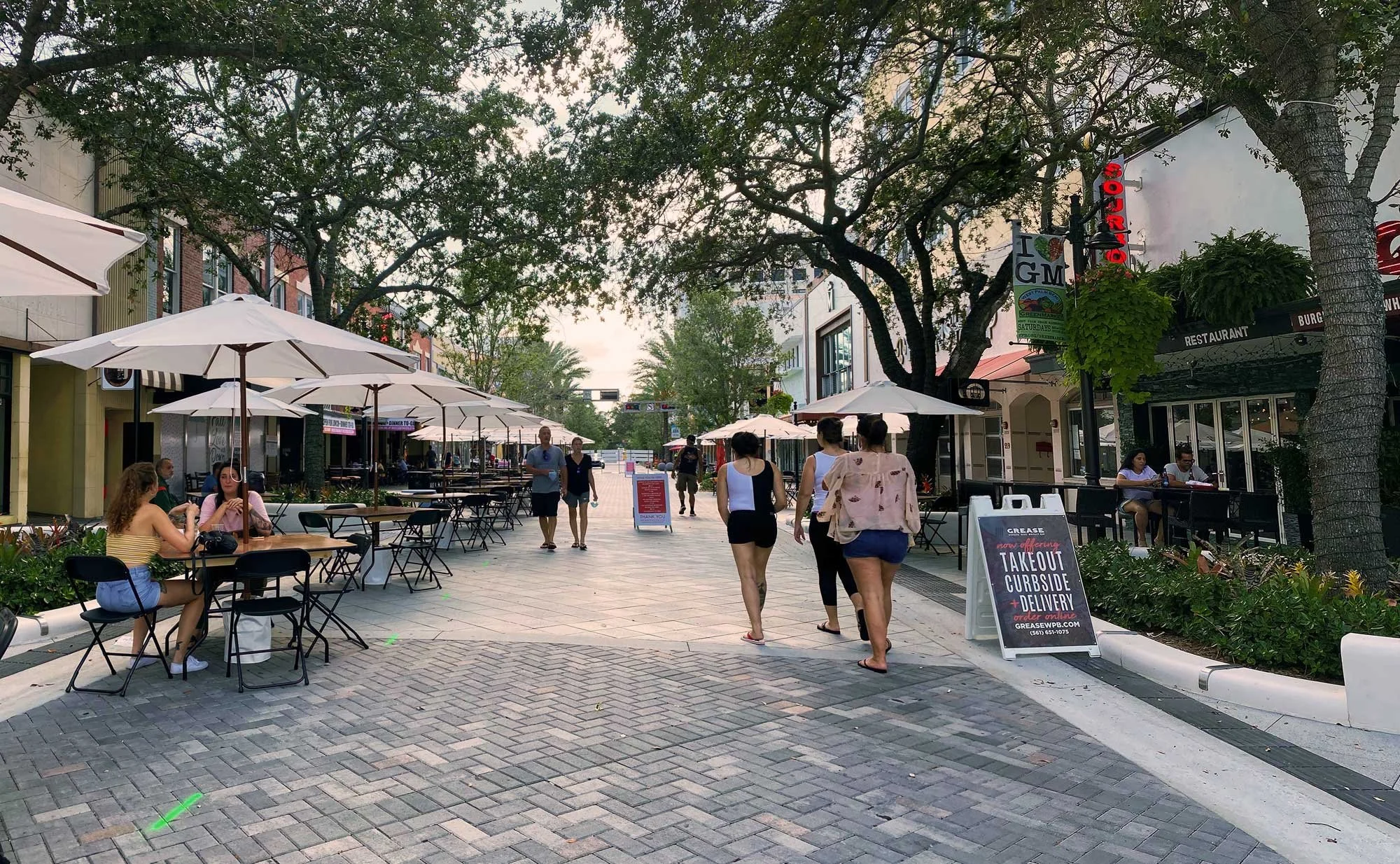
1. Use is predominantly determined by the safety, street furniture, aesthetics, accessibility, surrounding land use, and quality of the street.
2. Streets designed for people induce demand in land use and behavioral changes, maximizing productivity.
3. Streets and third places are where communities are built, one social connection at a time.
4. Pedestrian and biker fatalities/serious injuries are preventable with improvements to street/road design. The acceptable number of fatalities/serious injuries on Clarksville’s transportation network is zero.
5. The most effective way to reduce speeding on streets is primarily changes to street design with manual enforcement as a secondary for the worst offenders.
6. Streets and roads are a liability, not an asset, because their long-term maintenance costs are a permanent promise with the lifecycle costs far exceeding the initial cost of construction/widening.
7. Streets are for low-speed access, roads are for high-speed distant mobility. The hybrid of these, stroads, are dangerous and achieve neither efficient access nor efficient mobility. Stroad examples: Wilma, Tiny Town